Californians for Electric Rail recognizes the need for reforms for how the metropolitan areas and State of California plan, design, procure, fund, permit and manage rail service. For these reasons it’s imperative that the rules and funding programs are structured to support regional and intercity rail development. For these reasons we offer our endorsements for the November 3, 2026 election. We encourage you to vote early and in person to ensure your vote is counted.
Yes on Prop 2
Transit agencies around the state are facing funding shortfalls and contemplating service cuts, but have received little help from the state so far. California’s competitive grant program structure for rail capital funding drives delays and cost escalations that give us some of the world’s most expensive to build transit. California’s inability to effectively budget reliable operations or program funding for planning and capital investment for transit and rail is downstream of its budget volatility. While revenues fluctuate wildly from year to year, by law the state can only invest 10% of revenues into the Rainy Day Fund.
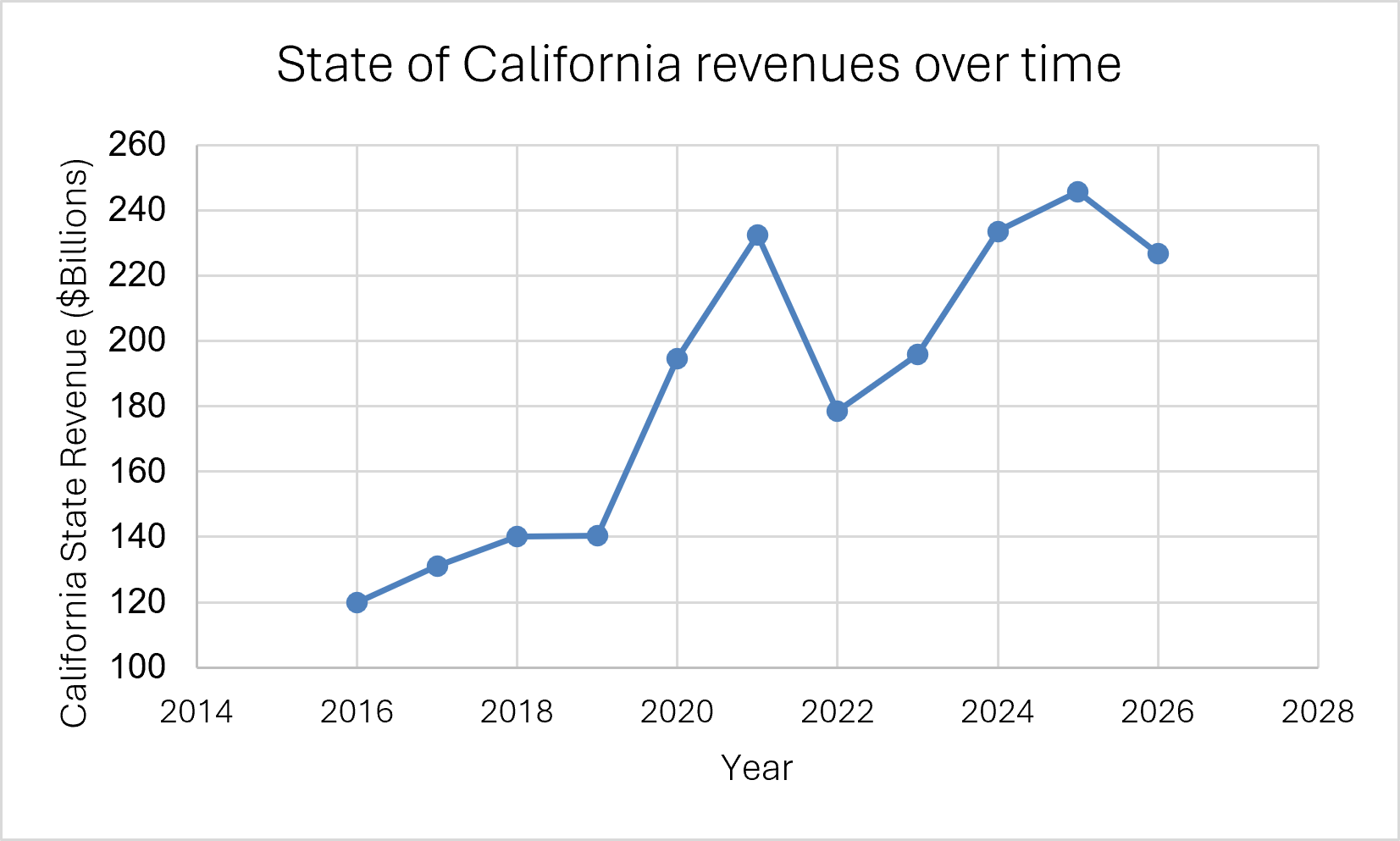
Proposition 2 is a sensible solution that allows the Legislature to bank more money in peak years to reduce downside risks when the economy falters. Prop 2 would increase the size of the Rainy Day Fund to 20% of revenues, ensuring more consistent funding from year to year. This is a necessary but insufficient solution to funding woes in California.
No on Prop 43
This measure would handicap the ability of local governments to raise revenue for transit service and capital projects by raising the margin to two thirds for citizen tax initiatives. That means a super-minority of voters can effectively veto transit investment from local government - like the Bay Area’s Measure RTM. Prop 43 would seriously hamper future attempts to save transit systems like Metrolink, NCTD, or San Diego MTS from impending fiscal cliffs. Vote No.
No on Prop 45
This measure - written and funded by the sprawl lobby - may seem like an antidote to slow timelines and onerous requirements of CEQA for housing and infrastructure. But its benefits overwhelmingly accrue to freeway widening and low density single family homes far from jobs rather than transit and infill housing. These are investments that detract from the ability of regional and intercity rail to effectively serve growth in California.
Infill housing won a massive CEQA exemption in 2025 with AB 130 that has already produced 15k entitled units in less than a year. The California legislature, with support from Californians for Electric Rail, also passed CEQA streamlining for BRT, LRT and rail electrification (SB 71). Meanwhile, Prop 45 explicitly does not cover California High-Speed Rail, which gets no relief from CEQA-related delays. There is more to be done on CEQA for transit and rail - how about CEQA streamlining for projects in the State Rail Plan and State Transit Plan? Reject Prop. 45 so we can get back to working on real solutions.
Prop 45 is also opposed by Streets for All, CalBike, Greenbelt Alliance, East Bay For Everyone, and San Diego 350.
Yes on RTM - Alameda, Contra Costa, Santa Clara, San Francisco, San Mateo counties
This measure would provide a one-time, 14 year sales tax increase to support Bay Area regional transit to ensure that transit agencies can fully manage the transition to post-COVID doldrums and shifts in commuting patterns without cutting service.
In addition to funding services with oversight protections and efficiency planning, the measure also invests in transit priority infrastructure to increase the speed and reliability of bus trips.
If measure RTM doesn’t pass, severe service cuts to BART, Caltrain, Muni, and other Bay Area transit agencies could go into effect as soon as January 2027. Caltrain could close up to 10 stations, eliminate weekend service, reduce frequency to hourly, end service by 9 p.m., and potentially close corridor segments. Failure to pass RTM would mean undoing the success of Caltrain electrification, create a traffic nightmare, and harm the Bay Area economy.
Yes on Measure S - Fresno County
This measure extends an existing ½ cent sales tax but makes critical shifts in funding priorities. Instead of focusing on new and wider roads to facilitate sprawl development, Measure S invests in public transit, safe routes to schools and fixing existing streets. Get involved with the campaign here.
No on Measure A - Riverside County
This would make an existing ½ cent sales permanent but crucially makes no increased provision for local transit, Metrolink or intercity rail service, despite Metrolink’s budget crisis and looming service cuts. Measure A currently provides only 12% of revenues in Western Riverside County to transit, the lowest share in the SCAG region, and explicitly reserves funds for highway expansions. Riverside needs to invest in transit and intercity rail over the next half century. Renewing Measure A would lock in the harmful pattern of distributing money to sub-regions without any effort to provide alternatives to driving.